
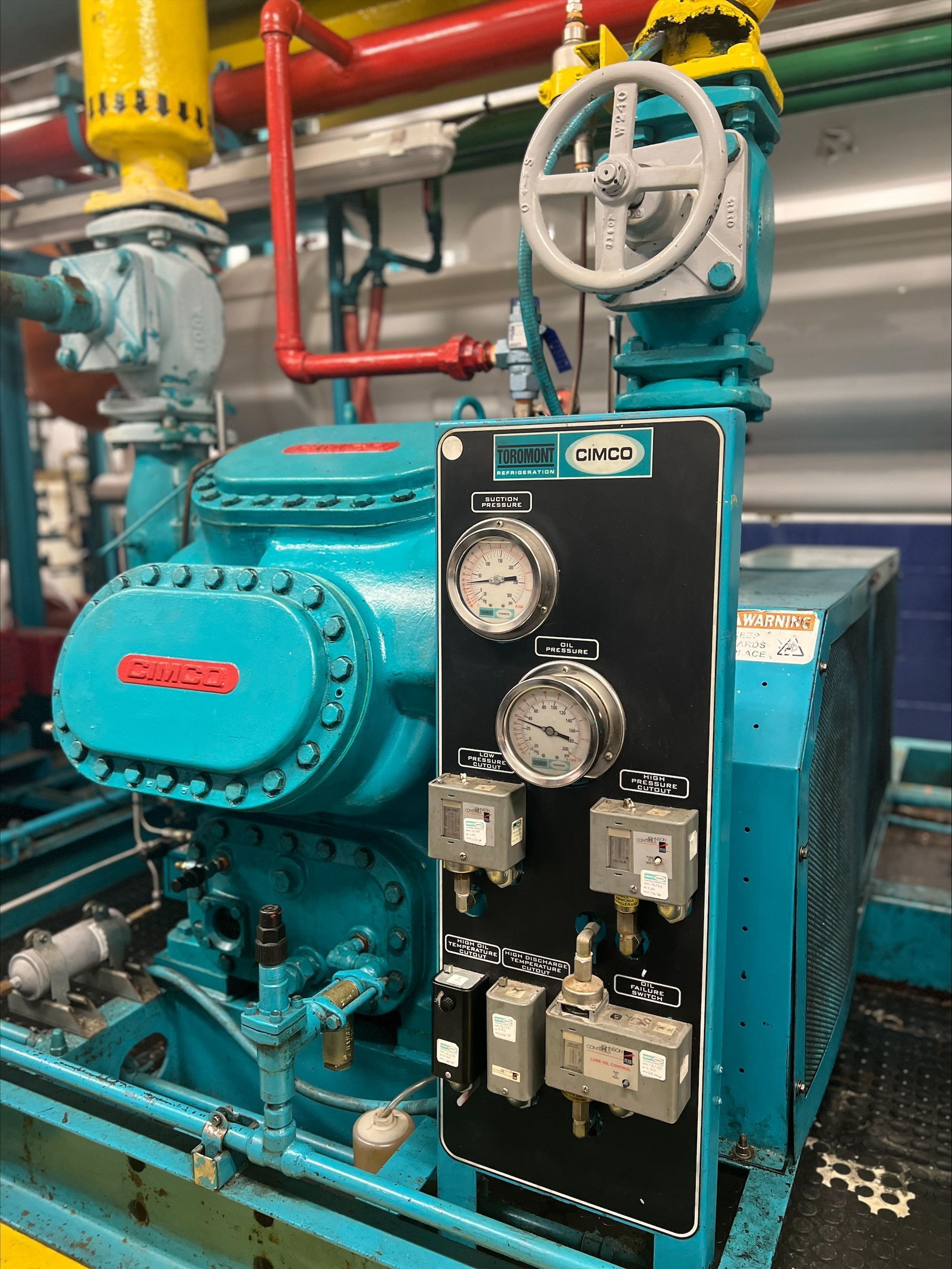
Infrastructure That Supports Energy Distribution
Compressor stations in Ruffin for natural gas transmission networks requiring site preparation and ongoing land management
Evans LandWork handles compressor station site development and land management in Ruffin, addressing the specialized requirements of natural gas transmission infrastructure. These facilities compress gas to maintain pressure throughout pipeline systems, and the sites require careful grading, drainage control, and vegetation management to support safe, long-term operation. The work involves preparing land to withstand heavy equipment installation, managing stormwater runoff to prevent erosion around station perimeters, and maintaining access roads that can handle service vehicle traffic in all weather conditions.
Compressor station sites demand precise grading to prevent water accumulation near equipment pads and to direct runoff away from utility connections and safety infrastructure. The land must accommodate equipment foundations, emergency access routes, and security fencing while meeting regulatory clearance requirements for surrounding vegetation and drainage patterns.
Schedule a site evaluation to review specific grading and drainage requirements for your compressor station property.
Ruffin, NC
27326
- Mon - Sun
- -
What Proper Site Preparation Requires
Site development for compressor stations begins with clearing and grading to establish level equipment pads that prevent shifting or settling under the weight of compressor units, coolers, and associated machinery. Drainage systems are designed to channel stormwater away from operational areas, protecting foundations and preventing erosion that could undermine access roads or utility trenches. Soil compaction is tested to confirm the ground will support the concentrated weight of installed equipment without subsidence over time.
Once the station is operational, you notice gravel access roads remain stable without rutting during wet weather, vegetation stays clear of required safety zones, and drainage channels remain free of sediment buildup that could redirect water toward equipment areas. The site maintains its grade, preventing standing water near building foundations or mechanical installations.
Ongoing land management includes periodic grading to restore drainage flow, vegetation control to maintain regulatory clearances, and road surface maintenance to preserve all-weather access for service crews and emergency response vehicles. The scope depends on site size, equipment density, and local soil conditions that affect erosion rates.
Questions About Compressor Station Land Management
Property owners and facility operators often ask about site preparation standards and ongoing maintenance needs before committing to land development schedules.
What drainage considerations are specific to compressor station sites? Drainage systems must handle concentrated runoff from paved or compacted areas without allowing water to pool near equipment foundations, electrical installations, or gas metering equipment. In Ruffin, soil drainage capacity and seasonal rainfall patterns influence the design of swales, culverts, and retention areas that protect operational zones from stormwater intrusion.
How often does vegetation management need to occur around station perimeters? Maintenance frequency depends on local growth rates and regulatory clearance requirements, but most sites require vegetation control two to four times annually to keep brush and trees outside of safety zones and visibility corridors required for security monitoring and emergency access.
What happens to access roads under heavy equipment traffic? Roads built with proper base preparation and adequate gravel depth resist rutting and washouts even when service vehicles and delivery trucks use them repeatedly during wet conditions. Without sufficient compaction and drainage, roads develop low spots that trap water and accelerate surface deterioration.
When should grading be adjusted after initial site development? Grading adjustments become necessary when settling occurs under equipment pads, when erosion changes drainage patterns, or when expansion of station infrastructure requires new level areas for additional compressor units or auxiliary equipment installations.
Why does soil type affect site preparation costs? Clay soils in the region require more extensive drainage work to prevent water retention, while sandy soils may need additional compaction or stabilization to support heavy equipment loads without shifting over time.
Evans LandWork provides site-specific planning for compressor station properties, addressing the grading, drainage, and access requirements that support reliable energy infrastructure operation. Arrange an on-site consultation to assess land conditions and develop a preparation plan aligned with your facility timeline.