
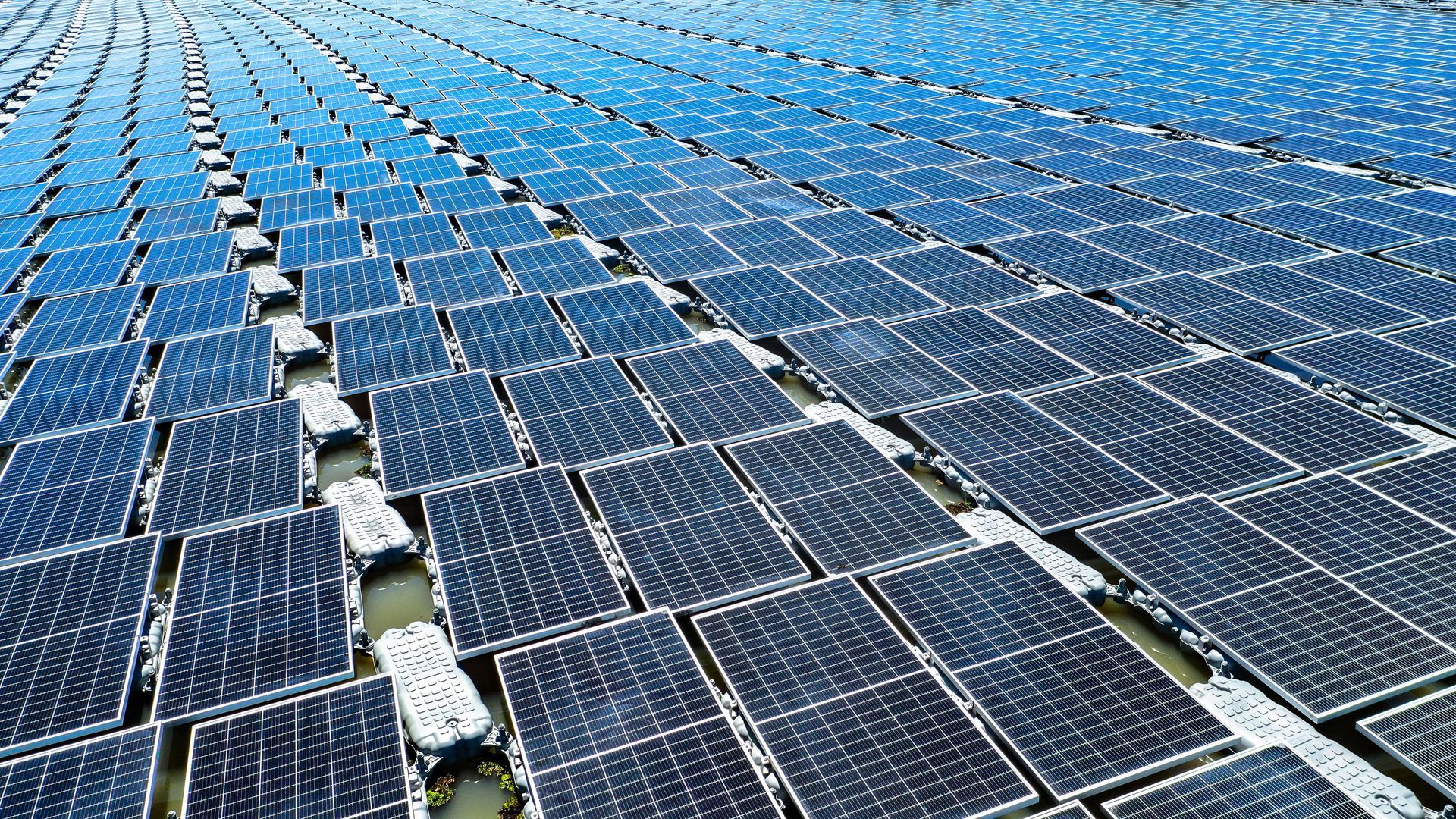
Land Prepared for Long-Term Energy Production
Solar Farms in Ruffin for renewable energy installations requiring controlled grading and sustained vegetation management
Solar farm sites in Ruffin present specific land management challenges tied to panel array layout, equipment access, and drainage control across acreage that must remain stable for decades. Evans LandWork prepares these properties by establishing grades that prevent water pooling under panel rows, creating access corridors that allow maintenance vehicles to reach inverters and transformers without damaging ground cover, and controlling vegetation in ways that prevent shading while reducing erosion. The preparation work accounts for panel mounting systems, electrical trenching routes, and the need to preserve topsoil integrity across large footprints where conventional farming or forestry previously occurred.
Site preparation involves clearing vegetation, removing stumps and root systems that could interfere with post-driving equipment, and grading to smooth out depressions or mounds that would create uneven panel elevations or complicate tracker installation. Drainage pathways are designed to prevent concentrated flow that erodes soil beneath arrays or floods access roads during heavy rainfall.
Request a detailed estimate based on your planned array layout and existing land conditions.
Ruffin, NC
27326
- Mon - Sun
- -
How Solar Farm Grading Addresses Panel Installation Needs
Land development for solar farms focuses on creating consistent slopes that shed water without creating erosion channels, while maintaining soil conditions suitable for low-maintenance ground cover that stabilizes the surface without growing tall enough to shade panel edges. Grading removes high spots that would require excessively long support posts and fills low areas where water would accumulate and prevent access during wet periods. The goal is a gently rolling surface that supports uniform panel angles and allows mowing equipment or grazing animals to manage vegetation without risking panel damage.
Evans LandWork establishes access roads using compacted aggregate that supports the weight of bucket trucks and equipment trailers needed for inverter maintenance and panel cleaning operations. After grading and road construction, you notice water drains predictably away from panel rows, access routes remain passable after storms, and vegetation grows evenly without clustering in wet pockets or failing to establish in compacted zones.
Ongoing management includes seasonal mowing to control plant height beneath arrays, periodic regrading of access roads to fill ruts and restore crown drainage, and erosion repair where concentrated flow develops during unusually heavy rain events. The intensity of maintenance depends on ground cover type, soil texture, and whether the site uses fixed-tilt or tracking panel systems that affect shading patterns and vegetation growth.
Common Questions About This Service
Developers and landowners considering solar projects typically want to understand how site preparation affects installation timelines and operational costs over the life of the array.
What site conditions complicate solar farm grading? Slopes steeper than five percent require more extensive cut-and-fill work to create level tiers for panel rows, and poorly draining clay soils need additional drainage infrastructure to prevent standing water that limits access and accelerates corrosion of ground-mounted hardware.
How does vegetation management differ from traditional land clearing? Rather than removing all plant material, solar farm preparation establishes low-growing ground cover that prevents erosion and reduces dust while staying beneath panel edges. In Ruffin, this often means seeding with drought-tolerant grasses that require infrequent mowing and resist wash-out during summer thunderstorms.
When should access roads be installed relative to panel construction? Roads are typically built after major grading is complete but before panel installation begins, allowing construction crews to use the roads while the surface is still able to withstand repeated heavy loads without requiring immediate repair.
Why do drainage patterns matter for panel longevity? Water pooling beneath arrays accelerates corrosion of mounting hardware and creates rutted ground that makes maintenance access difficult. Proper grading directs runoff to designated drainage swales or retention areas where it infiltrates slowly without causing erosion.
What maintenance happens after the solar farm is operational? Most sites require vegetation control three to four times per growing season, periodic road surface restoration, and occasional regrading where erosion or settling changes drainage flow patterns around panel supports or electrical infrastructure.
Evans LandWork tailors site preparation to the specific layout and equipment requirements of your solar installation, addressing drainage, access, and vegetation control from initial clearing through long-term operational support. Schedule a property evaluation to identify grading needs and develop a timeline that aligns with your construction schedule.